

Abstract: In the ever-evolving world of cable and telecommunications, industry standards play a crucial role in ensuring quality, reliability, and compatibility. One such standard is 1429.1, which encompasses various aspects of cable design and performance. This article aims to provide a detailed explanation of 1429.1 from four key perspectives - scope, requirements, testing procedures, and implications for the industry.
1429.1 sets out the scope for electrical cables used in telecommunication networks. It defines the types of cables covered by this standard and their intended applications within different environments – whether indoor or outdoor installations or aerial or underground deployments.
The first aspect to consider is the classification of cables based on their construction materials – copper or fiber optic – as well as their intended use in specific network architectures such as local area networks (LANs), wide area networks (WANs), or data centers.
The second aspect pertains to environmental considerations that impact cable performance. Factors like temperature range, moisture resistance, flame retardancy requirements are outlined within this standard to ensure cables can withstand various operating conditions.
This section delves into specific technical requirements that must be met by cables conforming to 1429.1 standards.
The first requirement focuses on electrical characteristics such as impedance levels and signal attenuation properties over specified frequency ranges for both copper-based twisted pair cables and fiber optic cables.
The second requirement addresses mechanical properties including tensile strength, bending radius limits during installation or maintenance activities without compromising signal integrity.
Additionally, there are provisions related to shielding effectiveness against electromagnetic interference (EMI) which can degrade signal quality if not adequately addressed during cable design and manufacturing processes.
To ensure compliance with 1429.1 standards across different manufacturers' products consistently requires rigorous testing procedures outlined within this section.
The first set of tests focus on electrical performance evaluation through measurements like insertion loss/return loss for fiber optic connectors/cables or near-end crosstalk/far-end crosstalk for twisted pair copper-based systems under controlled laboratory conditions using specialized equipment calibrated according to international standards. The second set involves mechanical tests simulating real-world scenarios including tensile strength testing using specified loads applied at varying angles along with bend radius measurements performed under defined conditions. Lastly but equally important are environmental tests assessing resistance against factors like temperature extremes (-40°C up-to +70°C), humidity exposure levels (e.g., up-to 95% relative humidity), flame propagation characteristics following established fire safety protocols.


 America
  Japan
Japan  Thai
Thai  assamese
  afr
afr  albanian
  Amharic
  Arabic
  Armenian
  Aymara
  Azerbaijani
  Basque
  belarusian
  Bengali
  Bhojpuri
  Bosnian
  Bulgarian
  bur
bur  Catalan
  Cebuano
  corsican
  Czech
Czech  Danish
  German
  Divish
  Greek
Greek  America
  Esperanto
  Estonian
  Filipino
  Finnish
  French
  Georgian
  irish
irish  galician
  Guaraní
  Gujarati
  hausa
hausa  Hawaiian
  Hindi
Hindi  Khmer
Khmer  hmn
hmn  Croatian
  Haitian
  Hungarian
  igbo
igbo  Icelandic
  Indonesian
  Italian
  Javanese
  Kannada
  Kinyarwanda
  Kyrgyz
  Konkani
  Korean
  Kurdish
  Lao
Lao  Latin
Latin  latvian
  lingala
  Lithuanian
  Luxembourgish
  luganda
  Macedonian
  malayalam
 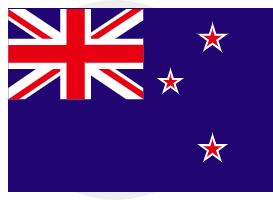 Maori
Maori  Marathi
 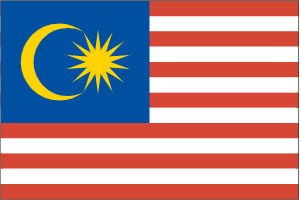 Malay
Malay  Maltese
  Nepali
  Dutch
Dutch  Norwegian
  Nyanja
  oriya
oriya  Oromo
Oromo  Punjabi
 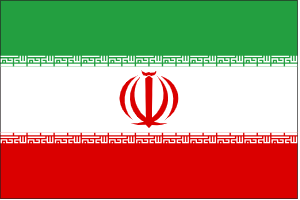 farsi
farsi  Polish
  Portuguese
  Pashto
  Quechua
  Romanian
  Russian
  Sanskrit
  Sinhalese
  Slovak
  Slovenian
  Samoan
  Sindhi
  Somali
  Hebrew
  Serbian
  Sundanese
  Swahili
  Swedish
  Tamil
Tamil  Tatar
Tatar  Telutonic
  Tajik
Tajik  Tigrinian
  Shierqi
  Turkmen
  TWI
TWI  Ukrainian
  Urdu
Urdu  Vietnamese
  Welsh
Welsh  xhosa
xhosa  Yiddish
  Yoruba
  Zulu
Zulu