

The 241.1 Cable is a highly versatile and durable cable used in the telecommunications industry. This article provides a detailed explanation of the 241.1 Cable, including its construction, applications, advantages, and maintenance requirements.
The 241.1 Cable is constructed using high-quality materials to ensure optimal performance and longevity. The core of the cable consists of multiple optical fibers that are protected by a layer of strength members made from aramid yarns or fiberglass rods.
Surrounding the core is a layer of water-blocking material that prevents moisture from entering the cable and causing damage to the fibers. The outer sheath is typically made from polyethylene or PVC, providing additional protection against environmental factors such as UV radiation and extreme temperatures.
This construction design ensures that the 241.1 Cable can withstand harsh conditions while maintaining excellent signal transmission capabilities.
The versatility of the 241.1 Cable makes it suitable for various applications within the telecommunications industry.
One common application is in long-distance communication networks where high-speed data transmission over large distances is required. The low attenuation characteristics of optical fibers used in this cable allow for efficient data transfer without significant loss over extended distances.
In addition to long-distance networks, the 241.Cable also finds use in local area networks (LANs) within buildings or campuses where high bandwidth connectivity between different areas or floors is essential.
The useofthe24l.lCableoffersseveraladvantagesovertraditionalcoppercables.Firstly,opticalfibersusedinthiscableareimmuneelectromagneticinterference(EMI),whichcancauseinterferencesignaltransmissionanddegradethequalityofcommunication.Secondly,thehighbandwidthcapabilityoftheopticalfibersallowsforfasterdatatransfercomparedtocoppercables.Thismakesitidealforapplicationsrequiringhigh-speedinternetaccessorlargefiletransfers.Thirdly,the2424Cableisalsolighterandmoreflexiblethanitscoppercounterparts,makingit easierandcheapertransportationinstallation.Finally,opticalfiberisnon-flammable,anddoesnotproduceelectricshocksorcurrentleakage,makingitatrulysafeoptionforelectricalinstallations.
Maintenance Requirements for121.Cablc The maintenance requirements for thtl.t Cablc arc relatively low due to its robust construction However.therearcertainpracticesrecommendedtomaintainthelongevityandperformanceofthecablc.Forinstance,itissuggestedtoavoidexcessivebendingorstressonthecablctopreventdamageordistortiontothefibcrsandstrengthmembers.Additionally.itishighlyadviscdtocleanthesurfaccofthecablcregularlytoremoveanydustordirtthatmayaccumulateovertime.Regularinspectionsoftheductworkshouldalsobeperformedtocheckforanypotentialdamagethatcouldaffectthesignaltmnsmission.Finally.ifanycablcsegmentisfoundtobedefective.itshouldbeimmediatelyreplacedortreatedaccordingtoproperrepairprocedures. In conclusion.the24l.lCablisaprominentchoiceinthetelecommunicationsindustryduetoitsversatility,durability,andexcellentperformanccltsconstructionensuresoptimalprotectionoffibcrsandguaranteesefficientdatatransmission.Theapplicationsadvantages,andmaintenancerequirementsoutlinedinthisarticlehighlightthewide-rangebenefitsofusingthiscablchelpingtelecommunicationscompaniestomecttheircommunicationneedswhileensuringlong-termreliability


 America
  Japan
Japan  Thai
Thai  assamese
  afr
afr  albanian
  Amharic
  Arabic
  Armenian
  Aymara
  Azerbaijani
  Basque
  belarusian
  Bengali
  Bhojpuri
  Bosnian
  Bulgarian
  bur
bur  Catalan
  Cebuano
  corsican
  Czech
Czech  Danish
  German
  Divish
  Greek
Greek  America
  Esperanto
  Estonian
  Filipino
  Finnish
  French
  Georgian
  irish
irish  galician
  Guaraní
  Gujarati
  hausa
hausa  Hawaiian
  Hindi
Hindi  Khmer
Khmer  hmn
hmn  Croatian
  Haitian
  Hungarian
  igbo
igbo  Icelandic
  Indonesian
  Italian
  Javanese
  Kannada
  Kinyarwanda
  Kyrgyz
  Konkani
  Korean
  Kurdish
  Lao
Lao  Latin
Latin  latvian
  lingala
  Lithuanian
  Luxembourgish
  luganda
  Macedonian
  malayalam
  Maori
Maori  Marathi
  Malay
Malay  Maltese
  Nepali
  Dutch
Dutch  Norwegian
  Nyanja
  oriya
oriya  Oromo
Oromo  Punjabi
  farsi
farsi  Polish
  Portuguese
 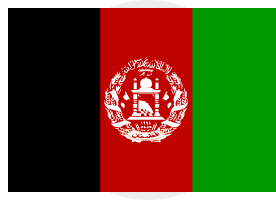 Pashto
  Quechua
  Romanian
 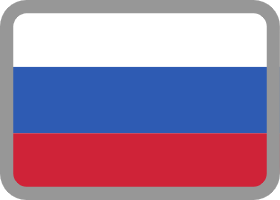 Russian
 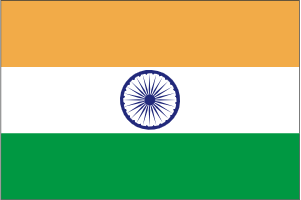 Sanskrit
  Sinhalese
  Slovak
 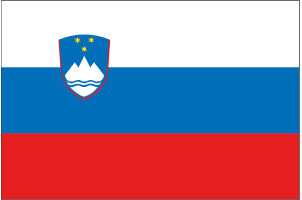 Slovenian
  Samoan
  Sindhi
  Somali
  Hebrew
  Serbian
  Sundanese
  Swahili
  Swedish
  Tamil
Tamil  Tatar
Tatar  Telutonic
  Tajik
Tajik  Tigrinian
  Shierqi
  Turkmen
  TWI
TWI  Ukrainian
  Urdu
Urdu  Vietnamese
  Welsh
Welsh  xhosa
xhosa  Yiddish
  Yoruba
  Zulu
Zulu