

- PVC Insulated Cables: These cables have polyvinyl chloride insulation suitable for low voltage applications.
- XLPE Insulated Cables: Cross-linked polyethylene insulation provides enhanced thermal stability and mechanical strength.
- Armored Cables: These cables have an additional layer of protection in the form of steel wire armor or aluminum tape.
- PILC (Paper-Insulated Lead-Covered) Cables: Historically used but now being replaced by newer technologies due to their limited lifespan.
- XLPE Insulated Medium Voltage Cables: Cross-linked polyethylene insulation provides excellent electrical properties and resistance against environmental factors.
- EPR (Ethylene Propylene Rubber) Insulated Medium Voltage Cables: Suitable for both indoor and outdoor installations with good resistance against moisture, heat, oil, etc.
- Oil-Filled Paper-Insulated High Voltage Cable (OFHC): Utilizes oil impregnated paper as the dielectric material along with metallic shielding layers.
- Gas-Insulated High Voltage Cable (GIHC): Uses pressurized gas as the insulating medium instead of solid materials like paper or polymers.
2. Communication Cables Communication cables enable the transmission of data signals between devices over short or long distances using various communication protocols.This type is commonly used in television distribution systems due to its ability to carry high-frequency signals without interference.
Cat5e/Cat6 Ethernet Cable: Used extensively in computer networks for data transmission up to Gigabit speeds over short distances (<100 meters).
Multimode Fiber Optic Cable - Designed for shorter distance transmissions typically within buildings.
SInglemode Fiber Optic Cab;e - Designed fpr longer distance transmissions such as telecommunication networks.


 America
  Japan
Japan  Thai
Thai  assamese
  afr
afr  albanian
  Amharic
  Arabic
  Armenian
  Aymara
  Azerbaijani
  Basque
  belarusian
  Bengali
  Bhojpuri
  Bosnian
  Bulgarian
  bur
bur  Catalan
  Cebuano
  corsican
  Czech
Czech  Danish
  German
  Divish
  Greek
Greek  America
  Esperanto
  Estonian
  Filipino
  Finnish
  French
  Georgian
  irish
irish  galician
  Guaraní
  Gujarati
  hausa
hausa  Hawaiian
  Hindi
Hindi 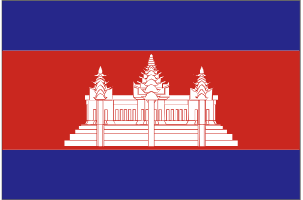 Khmer
Khmer  hmn
hmn  Croatian
  Haitian
  Hungarian
  igbo
igbo  Icelandic
  Indonesian
  Italian
  Javanese
  Kannada
  Kinyarwanda
 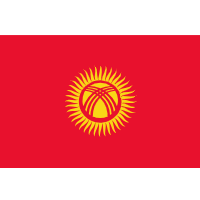 Kyrgyz
 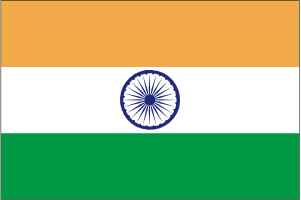 Konkani
  Korean
  Kurdish
 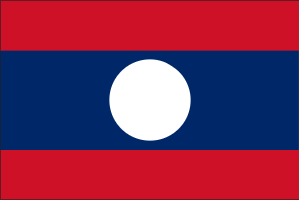 Lao
Lao 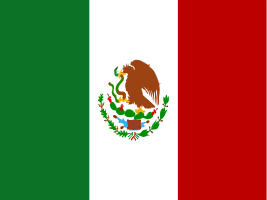 Latin
Latin  latvian
  lingala
  Lithuanian
  Luxembourgish
  luganda
  Macedonian
  malayalam
  Maori
Maori  Marathi
 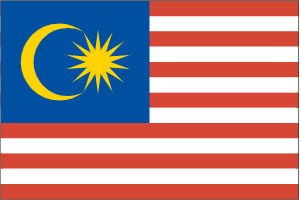 Malay
Malay  Maltese
  Nepali
  Dutch
Dutch  Norwegian
  Nyanja
  oriya
oriya  Oromo
Oromo  Punjabi
 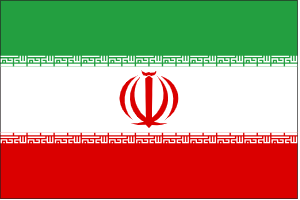 farsi
farsi  Polish
 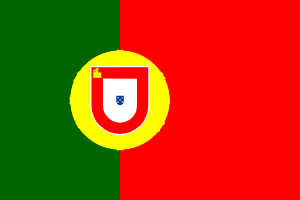 Portuguese
  Pashto
  Quechua
  Romanian
  Russian
  Sanskrit
  Sinhalese
  Slovak
  Slovenian
  Samoan
  Sindhi
  Somali
  Hebrew
  Serbian
  Sundanese
  Swahili
  Swedish
  Tamil
Tamil  Tatar
Tatar  Telutonic
  Tajik
Tajik  Tigrinian
  Shierqi
  Turkmen
  TWI
TWI  Ukrainian
  Urdu
Urdu  Vietnamese
  Welsh
Welsh  xhosa
xhosa  Yiddish
  Yoruba
  Zulu
Zulu