

The cable three-phase five wire model is a widely used electrical system in the power distribution industry. It consists of three conductors for the three phases and two additional conductors for neutral and ground connections. This model provides a balanced and efficient distribution of electricity, ensuring safety and reliability in various applications.
In the cable three-phase five wire model, the power is distributed through three phases - A, B, and C. Each phase carries an equal amount of current but with a phase difference of 120 degrees between them. This arrangement ensures that the load is evenly distributed across all phases, minimizing voltage fluctuations and optimizing power transfer efficiency.
Each phase conductor is made up of high-quality copper or aluminum wires to ensure low resistance and efficient current flow. These conductors are insulated to prevent any contact with other conducting materials or surfaces.
The use of multiple phases allows for higher power transmission capacity compared to single-phase systems. It also enables more effective utilization of electrical equipment such as motors, transformers, and generators.
In addition to the three phase conductors, the cable three-phase five wire model includes a neutral conductor that serves as a return path for unbalanced currents in the system. The neutral conductor carries any residual current resulting from imbalances between loads connected to each phase.
This helps maintain stability in voltage levels across all phases by providing an alternate path for returning unbalanced currents back to their source without affecting other phases or causing voltage drops.
The neutral conductor is typically sized based on anticipated load imbalances within the system while considering factors such as harmonics generated by non-linear loads like computers or variable speed drives.
To ensure safety against electrical faults such as short circuits or ground faults, a ground conductor is included in the cable three-phase five wire model. The ground conductor provides an intentional connection between electrical equipment enclosures (such as panels) and earth ground through grounding electrodes like rods or plates buried underground.
In case of fault conditions where excessive current flows through unintended paths (e.g., due to insulation failure), this grounding connection facilitates quick dissipation of fault currents into earth instead of posing risks to personnel or damaging equipment.
The cable three-phase five wire model offers several advantages over other electrical systems:
Better Power Distribution: By dividing power into multiple phases with equal loading capabilities, this system ensures efficient utilization without overburdening any particular phase. Higher Efficiency: Balanced loading reduces losses due to uneven distribution while enabling optimal operation of motors and other devices. Safety & Reliability: The inclusion of neutral and ground conductors enhances protection against faults by providing proper return paths for unbalanced currents. Versatility: This model can be applied across various industries including residential buildings, commercial complexes, industrial facilities etc., catering both low-voltage (<1000v)>35kV) networks. Overall,the Cable Three-Phase Five Wire Model offers significant benefits in terms of efficiency,reliability,and safety when it comes to distributing electric power effectively among different loads.Its balanced nature helps optimize energy usage while minimizing potential risks associated with imbalances.The inclusion of dedicated neutral和groundingconductorstrengthensits performancein handling both normal operating conditionsandfault situations,makingit idealfora wide rangeof applicationsacrossdifferentindustries


 America
  Japan
Japan  Thai
Thai  assamese
  afr
afr  albanian
  Amharic
  Arabic
  Armenian
  Aymara
  Azerbaijani
  Basque
  belarusian
  Bengali
  Bhojpuri
  Bosnian
  Bulgarian
  bur
bur  Catalan
  Cebuano
  corsican
  Czech
Czech  Danish
  German
  Divish
  Greek
Greek  America
  Esperanto
  Estonian
  Filipino
  Finnish
  French
  Georgian
  irish
irish  galician
  Guaraní
  Gujarati
  hausa
hausa  Hawaiian
  Hindi
Hindi  Khmer
Khmer  hmn
hmn  Croatian
  Haitian
  Hungarian
  igbo
igbo  Icelandic
  Indonesian
  Italian
  Javanese
  Kannada
  Kinyarwanda
  Kyrgyz
  Konkani
  Korean
  Kurdish
  Lao
Lao  Latin
Latin  latvian
  lingala
  Lithuanian
  Luxembourgish
  luganda
  Macedonian
  malayalam
  Maori
Maori  Marathi
  Malay
Malay 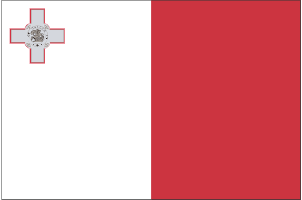 Maltese
  Nepali
 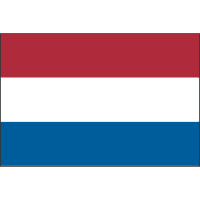 Dutch
Dutch  Norwegian
  Nyanja
  oriya
oriya  Oromo
Oromo  Punjabi
 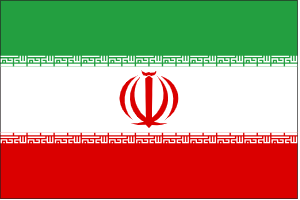 farsi
farsi 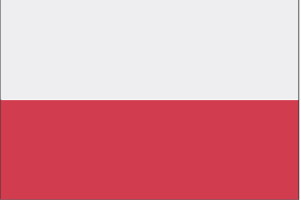 Polish
  Portuguese
  Pashto
  Quechua
  Romanian
  Russian
  Sanskrit
  Sinhalese
  Slovak
  Slovenian
  Samoan
  Sindhi
  Somali
  Hebrew
  Serbian
  Sundanese
  Swahili
  Swedish
  Tamil
Tamil  Tatar
Tatar  Telutonic
  Tajik
Tajik  Tigrinian
  Shierqi
  Turkmen
  TWI
TWI  Ukrainian
  Urdu
Urdu  Vietnamese
  Welsh
Welsh  xhosa
xhosa  Yiddish
  Yoruba
  Zulu
Zulu