

The cable core composition is the foundation of any multi core cable structure. It consists of multiple insulated conductors that are bundled together to form a single unit. Each conductor carries an individual signal or power line within the cable.
These conductors are typically made from copper or aluminum due to their excellent conductivity properties. The insulation material used for each conductor ensures that there is no interference between them, preventing signal loss or cross-talk.
The number of conductors within a multi core cable can vary depending on the specific application requirements. They can range from as few as two conductors up to several hundred in high-capacity cables.
Cable shielding is an important aspect of multi core cables as it provides protection against external electromagnetic interference (EMI) and radio frequency interference (RFI). Shielding helps maintain signal integrity by reducing noise levels within the cables.
There are different types of shielding techniques employed in multi-core cables:
a) Foil Shielding:Foil shielding involves wrapping a thin layer of metallic foil around each individual conductor or around all the conductors collectively within the cable core. This shield prevents EMI/RFI from penetrating into or emanating outwards from the cables.
b) Braided Shielding:Braided shielding utilizes a mesh-like pattern made from fine metal wires that surrounds all the insulated conductors together within a multi-core cable structure. This type of shielding offers higher flexibility compared to foil shielding while providing effective EMI/RFI protection.
c) Combination Shielding:In some cases, both foil and braided shields may be used together for enhanced protection against EMI/RFI interference.
Cable insulation serves two primary purposes: electrical insulation and mechanical protection for both internal components and external environment factors such as moisture, temperature variations, chemicals etc.. Insulation materials must possess high dielectric strength along with resistance to physical stress like bending, compression etc..
.Polyvinyl chloride (PVC), polyethylene (PE), cross-linked polyethylene(XLPE), ethylene propylene rubber(EPR), silicone rubber(SR) are commonly used insulating materials depending on specific applications. The choice depends on factors such as voltage rating requirements , environmental conditions , fire safety standards etc.. Each conductor inside a multicore cabling system has its own separate insulating layer ensuring proper isolation between them .
.A protective outer covering called jacket surrounds all other components mentioned above . The jacket material should be chosen based on environmental conditions where these multicore cables will be installed . Polyvinyl chloride(PVC ) jackets provide good resistance against moisture ingress but have limited temperature tolerance . For harsher environments , thermoplastic elastomers(TPEs )or thermosetting compounds like polyurethane(PU )can be utilized. Additionally , flame retardant jackets can also be incorporated when fire safety standards need to met . In conclusion,Multicore cabling structures play vital roles in modern telecommunication systems.Their designs take into account numerous factors including number/type/construction/materials/etc., which make up their cores/shielding/insulation/jacketings.Multicore cabling systems enable efficient transmission/signaling/power distribution by providing necessary electrical/mechanical/environmental protections required for different applications


 America
  Japan
Japan  Thai
Thai  assamese
  afr
afr  albanian
  Amharic
  Arabic
  Armenian
  Aymara
  Azerbaijani
  Basque
  belarusian
  Bengali
  Bhojpuri
  Bosnian
  Bulgarian
  bur
bur  Catalan
  Cebuano
  corsican
  Czech
Czech  Danish
  German
  Divish
  Greek
Greek  America
  Esperanto
  Estonian
  Filipino
  Finnish
  French
  Georgian
  irish
irish  galician
  Guaraní
  Gujarati
  hausa
hausa  Hawaiian
  Hindi
Hindi 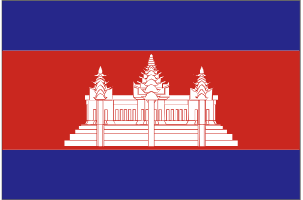 Khmer
Khmer  hmn
hmn  Croatian
  Haitian
 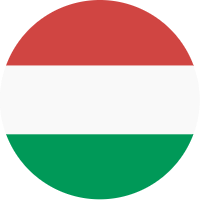 Hungarian
  igbo
igbo 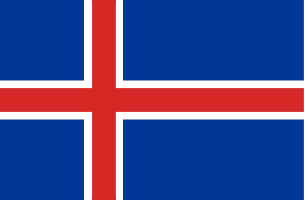 Icelandic
  Indonesian
  Italian
 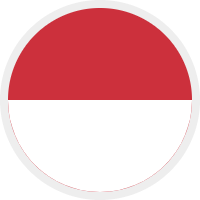 Javanese
  Kannada
  Kinyarwanda
  Kyrgyz
  Konkani
  Korean
  Kurdish
  Lao
Lao  Latin
Latin  latvian
  lingala
  Lithuanian
  Luxembourgish
  luganda
  Macedonian
  malayalam
  Maori
Maori  Marathi
  Malay
Malay  Maltese
  Nepali
  Dutch
Dutch  Norwegian
  Nyanja
  oriya
oriya  Oromo
Oromo  Punjabi
  farsi
farsi  Polish
  Portuguese
  Pashto
  Quechua
  Romanian
  Russian
  Sanskrit
  Sinhalese
  Slovak
  Slovenian
  Samoan
  Sindhi
  Somali
  Hebrew
  Serbian
  Sundanese
  Swahili
  Swedish
  Tamil
Tamil  Tatar
Tatar  Telutonic
  Tajik
Tajik  Tigrinian
  Shierqi
  Turkmen
  TWI
TWI  Ukrainian
  Urdu
Urdu  Vietnamese
  Welsh
Welsh  xhosa
xhosa  Yiddish
  Yoruba
  Zulu
Zulu