
Abstract: The diagram of multi-core cable wiring method is an essential tool for engineers in the telecommunications industry. It provides a visual representation of how multiple cables are connected and organized within a system. This article will explore the four main aspects of the diagram, including cable identification, color coding, termination methods, and cable management.
The first aspect of the diagram focuses on cable identification. In complex systems with numerous cables, it is crucial to have a clear labeling system to easily identify each cable's purpose and destination. This can be achieved by assigning unique numbers or codes to each cable and documenting them in the diagram.
Cable identification also involves indicating the type or category of each cable used in the system. For example, Ethernet cables may be labeled as Cat5e or Cat6 based on their specifications. This information helps technicians troubleshoot any issues that may arise during installation or maintenance.
In addition to numerical labels and categorization, color coding can also be used for quick visual recognition. Different colors can represent different functions or destinations within the system.
The second aspect of the diagram focuses on color coding techniques for multi-core cables. Color coding simplifies installation and maintenance processes by providing an immediate visual reference for identifying specific cables within a bundle.
A standardized color code scheme should be followed throughout all diagrams and installations to ensure consistency across different projects and locations.
For example:
- Red: Power supply lines - Blue: Data transmission lines - Green: Grounding lines - Yellow: Control signalsCrimping involves using a specialized tool called a crimping tool to attach connectors onto individual wires.Crimped connections provide reliable mechanical strength and electrical conductivity,making them suitable for high-performance applications.Soldering requires melting solder onto wire ends, creating permanent connections between wires.Soldered connections offer excellent electrical conductivity but may not provide sufficient mechanical strength.IDC is commonly used in mass production environments where speed is essential.IDC connectors allow multiple wires to be terminated simultaneously by displacing insulation material without stripping individual conductors.This method offers quick installation but may have limitations regarding reliability compared to crimped or soldered terminations.
The fourth aspect deals with proper organization,cable routing,and management within multi-core cabling systems.A well-organized cabling infrastructure ensures efficient operation,easy troubleshooting,and future scalability.
Cables should be neatly arranged using appropriate supports such as trays,racks,cable ties,hooks,and clips.Proper spacing between cables should also be maintained,to prevent interference,crosstalk,and signal degradation.Labels should accompany each section of organized cabling,to indicate its purpose,directionality, and any other relevant information.Regular inspections,maintenance procedures,and documentation updates are necessary to keep track of changes made over time.
In conclusion,the diagramofmulti-coredcablewiringmethodplaysacriticalroleinthe telecommunicationindustry.Itprovidesavisualrepresentationofhowmultiplecablesareconnectedandorganizedwithinasystem.Byfocusingoncableidentification,colorcoding, terminationmethods, andcablmanagementengineerscanensureefficientinstallation,troubleshooting andreliableoperationofmulticorecabledsystems


 America
  Japan
Japan  Thai
Thai  assamese
  afr
afr  albanian
  Amharic
  Arabic
  Armenian
  Aymara
  Azerbaijani
  Basque
  belarusian
  Bengali
  Bhojpuri
  Bosnian
  Bulgarian
  bur
bur  Catalan
  Cebuano
  corsican
  Czech
Czech  Danish
  German
  Divish
 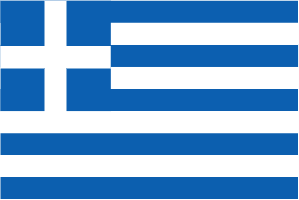 Greek
Greek 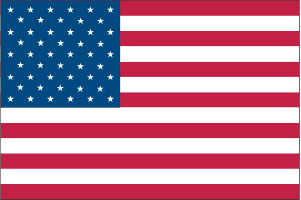 America
 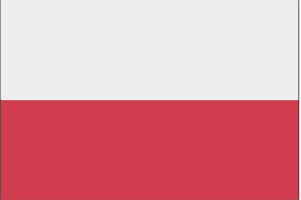 Esperanto
 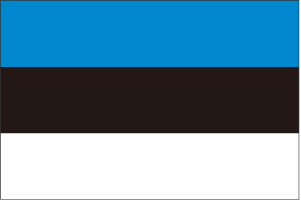 Estonian
  Filipino
  Finnish
  French
  Georgian
  irish
irish  galician
  Guaraní
  Gujarati
  hausa
hausa  Hawaiian
  Hindi
Hindi  Khmer
Khmer  hmn
hmn  Croatian
  Haitian
  Hungarian
  igbo
igbo  Icelandic
  Indonesian
  Italian
  Javanese
  Kannada
  Kinyarwanda
  Kyrgyz
  Konkani
  Korean
  Kurdish
  Lao
Lao  Latin
Latin  latvian
  lingala
  Lithuanian
  Luxembourgish
  luganda
  Macedonian
  malayalam
  Maori
Maori  Marathi
  Malay
Malay  Maltese
  Nepali
  Dutch
Dutch  Norwegian
  Nyanja
  oriya
oriya  Oromo
Oromo  Punjabi
  farsi
farsi  Polish
  Portuguese
  Pashto
  Quechua
  Romanian
  Russian
  Sanskrit
  Sinhalese
  Slovak
  Slovenian
  Samoan
  Sindhi
  Somali
  Hebrew
  Serbian
  Sundanese
  Swahili
  Swedish
  Tamil
Tamil  Tatar
Tatar  Telutonic
  Tajik
Tajik  Tigrinian
  Shierqi
  Turkmen
  TWI
TWI  Ukrainian
  Urdu
Urdu  Vietnamese
  Welsh
Welsh  xhosa
xhosa  Yiddish
  Yoruba
  Zulu
Zulu